
Eng
Eng
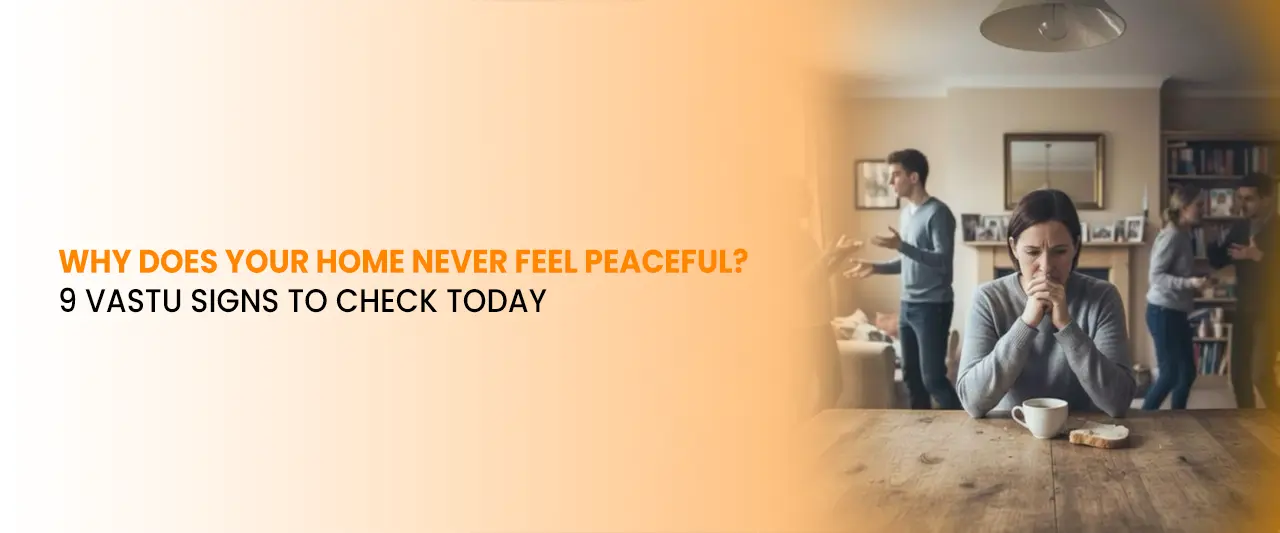
Home is supposed to be a place where we feel relaxed, safe, and emotionally comfortable. Yet many people experience a strange feeling of restlessness within their own homes. They may have a beautiful house, a loving family, and all the basic comforts, but peace still seems missing. Frequent stress, unnecessary arguments, disturbed sleep, lack of focus, and a constant feeling of heaviness can make a home feel less welcoming than it should.
To understand these concerns, many homeowners seek advice from vastu shastra astrologers online who analyze how the arrangement and energy flow within a home may be affecting daily life. According to Vastu Shastra, the environment around us can influence our emotional state, productivity, relationships, and overall sense of well-being.
While practical factors such as workload, financial pressure, and personal challenges should never be ignored, Vastu suggests that certain imbalances within a home may also contribute to feelings of discomfort. If your home never feels truly peaceful, here are nine Vastu signs worth checking today.
1. You Feel Tired Even After Resting
One of the most common signs of an energetically imbalanced home is constant fatigue.
You may:
Yet you still feel mentally exhausted.
According to Vastu principles, excessive clutter, poor ventilation, and blocked energy pathways may contribute to a heavy atmosphere that affects mental freshness.
What You Can Do
Even small changes can make a room feel significantly lighter.
2. Frequent Arguments Happen Without Major Reasons
Every family experiences occasional disagreements. However, if arguments occur repeatedly over small matters, it may indicate an imbalance in the home environment.
When people feel mentally restless, communication often becomes more reactive and emotional.
Common Signs
Creating a cleaner, more organized living environment may help encourage calmer interactions.
3. The Entrance Feels Uninviting
The entrance is often considered the face of a home.
If the main entrance contains:
It can create a feeling of heaviness before anyone even enters the house.
Peaceful Home Tip
Keep the entrance clean, bright, and welcoming to create a positive first impression.
4. Dark Corners Dominate the House
Dark spaces can affect mood more than many people realize.
Rooms that rarely receive natural light often feel:
According to Vastu, darkness may contribute to stagnant energy that reduces positivity within the home.
Simple Improvement
Use proper lighting and maximize sunlight whenever possible.
5. Unused Items Are Taking Over Your Space
Many households accumulate items that are never used but rarely discarded.
Examples include:
These items can create visual clutter and reduce the feeling of openness.
Why It Matters
A cluttered environment often leads to a cluttered mind.
Removing unnecessary items can create a noticeable sense of relief.
6. You Avoid Certain Areas of the House
Have you ever noticed that some rooms feel uncomfortable for no obvious reason?
Perhaps a storage room, guest room, or neglected corner makes you feel uneasy.
According to Vastu, spaces that are ignored for long periods may develop stagnant energy.
Suggested Action
An active space generally feels more positive than an abandoned one.
7. Disturbed Sleep Has Become Normal
Poor sleep can affect every aspect of life.
If family members frequently experience:
The bedroom environment may deserve attention.
Bedroom Considerations
A peaceful sleeping environment often supports emotional well-being.
8. The Home Feels Chaotic Despite Being Organized
Sometimes a house may appear clean and organized yet still feel emotionally unsettling.
This often happens when:
Vastu emphasizes not only physical arrangements but also the emotional energy created by the people living in the space.
Creating Positive Energy
Peace is often built through daily interactions.
9. You Rarely Feel Motivated at Home
Your home should ideally support productivity, creativity, and personal growth.
If you constantly feel:
It may be time to examine your environment more closely.
Helpful Changes
Small environmental improvements can positively influence focus and energy.
The Relationship Between Environment and Emotional Health
Whether viewed through Vastu principles or modern psychology, there is growing recognition that our surroundings influence how we feel.
A cluttered, poorly maintained environment can contribute to:
Meanwhile, clean and organized spaces often encourage:
This is one reason many people seek guidance from vastu shastra astrologers when they feel their homes no longer support their well-being.
Practical Ways to Bring More Peace Into Your Home
Beyond traditional Vastu suggestions, several simple habits can help create a calmer atmosphere:
1. Declutter Regularly
Removing unnecessary items creates more space and mental clarity.
2. Improve Natural Light
Sunlight often improves mood and energy levels.
3. Maintain Cleanliness
A clean environment promotes comfort and relaxation.
4. Reduce Noise Pollution
Limit unnecessary noise wherever possible.
5. Create Relaxation Areas
Designate spaces for reading, meditation, or quiet reflection.
6. Encourage Positive Communication
Healthy conversations contribute significantly to a peaceful home.
7. Spend Time Together
Strong relationships often create the most powerful positive energy.
Conclusion
A peaceful home is not determined solely by its size, design, or location. It is created through a combination of physical comfort, emotional balance, and positive daily habits. According to Vastu Shastra, certain environmental factors such as clutter, darkness, neglected spaces, and poor energy flow may contribute to feelings of restlessness and discomfort.
If your home never feels truly peaceful, examining these nine Vastu signs may provide valuable insight. Whether you follow Vastu principles closely or simply use them as a guide for creating a more organized and welcoming environment, small changes can often make a meaningful difference.
Ultimately, peace begins with awareness. When a home supports both physical comfort and emotional well-being, it becomes a place where people can truly relax, recharge, and thrive.
Frequently Asked Questions (FAQs)
1. Can Vastu affect mental peace at home?
According to Vastu Shastra, the arrangement and energy flow within a home may influence emotional well-being, comfort, and overall peace.
2. What is the most common Vastu issue linked to restlessness?
Excessive clutter and neglected spaces are often considered major contributors to stagnant energy and discomfort.
3. Does natural light play a role in Vastu?
Yes. Natural light is generally associated with positivity, vitality, and a healthier living environment.
4. Why do some rooms feel uncomfortable despite being clean?
Vastu suggests that poor utilization, lack of ventilation, or stagnant energy may contribute to discomfort in certain spaces.
5. Should I consult a Vastu expert if my home feels stressful?
Many people consult vastu shastra astrologers for personalized guidance, though practical lifestyle and environmental improvements should also be considered.